
Which software is best for managing transport?
The best software for transport depends on your needs. A good move is to try a few, asking for free demos. One promising option is Routena, a newer TMS that already offers a lot of useful features. It often comes with free onboarding help and no-cost trial periods, so it’s worth testing to see whether it fits the way you work.
If you’re still deciding whether you need a system at all, start with our explainer on what a TMS is and what it does.
How much does a TMS cost?
The price of a TMS varies with how many features you want. TMS platforms are usually organised into tiers — from the simplest and most affordable to the most complete and expensive. The important thing is to choose what’s genuinely useful for your business, without paying for features you’ll never use.
Because plans and prices change over time, we don’t quote figures here — check the current Routena pricing page for what’s live today.
What is TMS software used for?
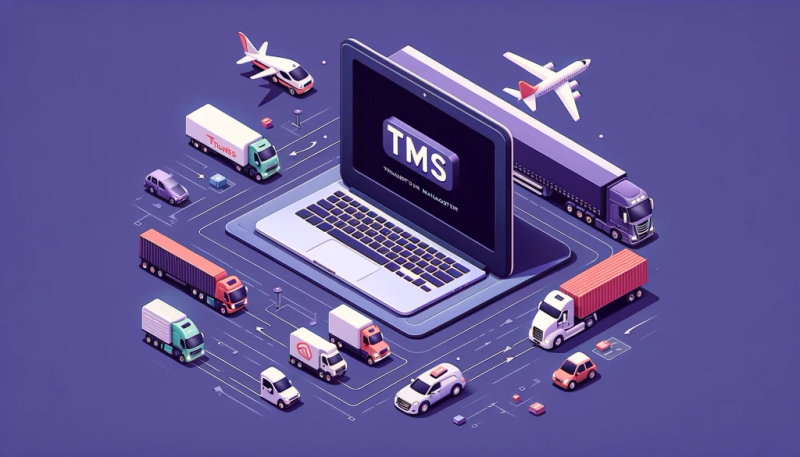
TMS software helps you manage everything to do with transport: from fleet, orders and routes through to staff and stock. In effect, it’s a command centre for everything transport-related in your business — one place instead of a dozen spreadsheets and inboxes.
How do I choose the best TMS?
To find the right TMS for you:
- List your must-have features. Write down what’s genuinely essential for your operation before you look at any product.
- Find platforms that offer them. Check each vendor’s feature list against your must-haves — for example, review what Routena covers.
- Weigh ease of use. How quickly your team can get work done depends heavily on this; a powerful tool nobody adopts helps no one.
- Read reviews. See whether other users are happy with the system in real day-to-day use.
- Compare pricing. Find the best balance between features, ease of use and cost.
A useful reality check while you compare: whichever platform you pick should make your real numbers clearer, not murkier. Our guide on cost per kilometre is a good test — the right TMS should make that figure easy to see per vehicle and per trip.
Which types of company use a TMS?
It isn’t only large logistics firms. TMS platforms are used by a broad range of businesses — hauliers, freight forwarders, retailers, manufacturers, distributors and wholesalers. Put simply, if you’re in the business of moving goods, a TMS can make life much easier. If fleet paperwork is your bigger pain point, see our fleet record-keeping guide.
Ready to compare on your own data? Book a Routena demo and we’ll show you the full flow, from order to invoice.